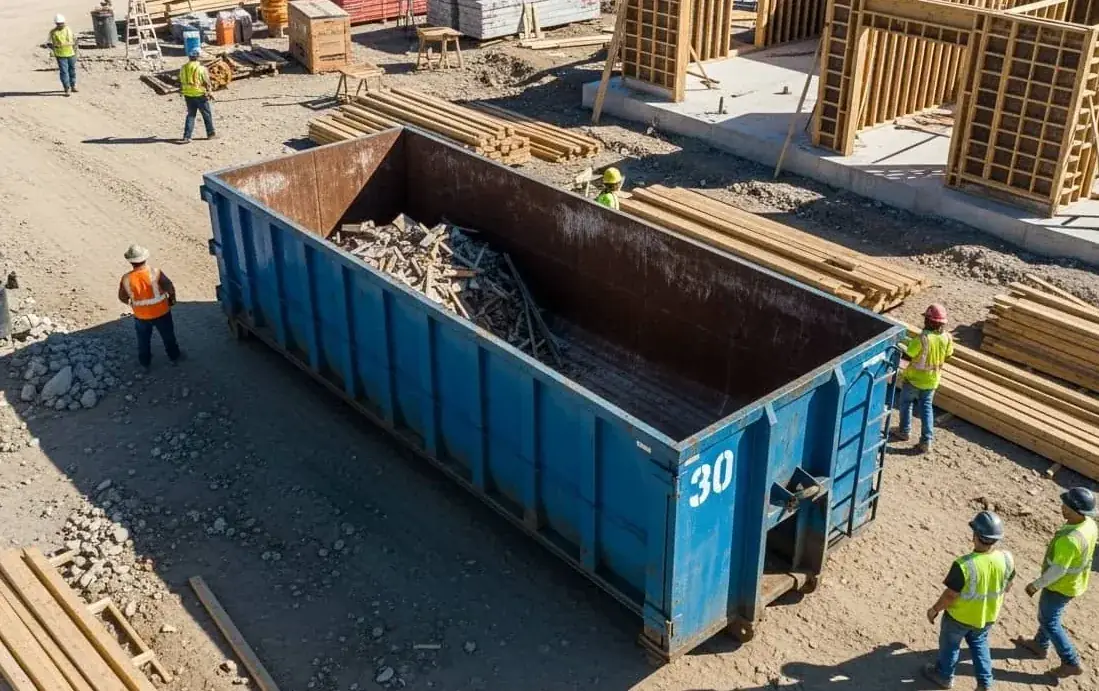
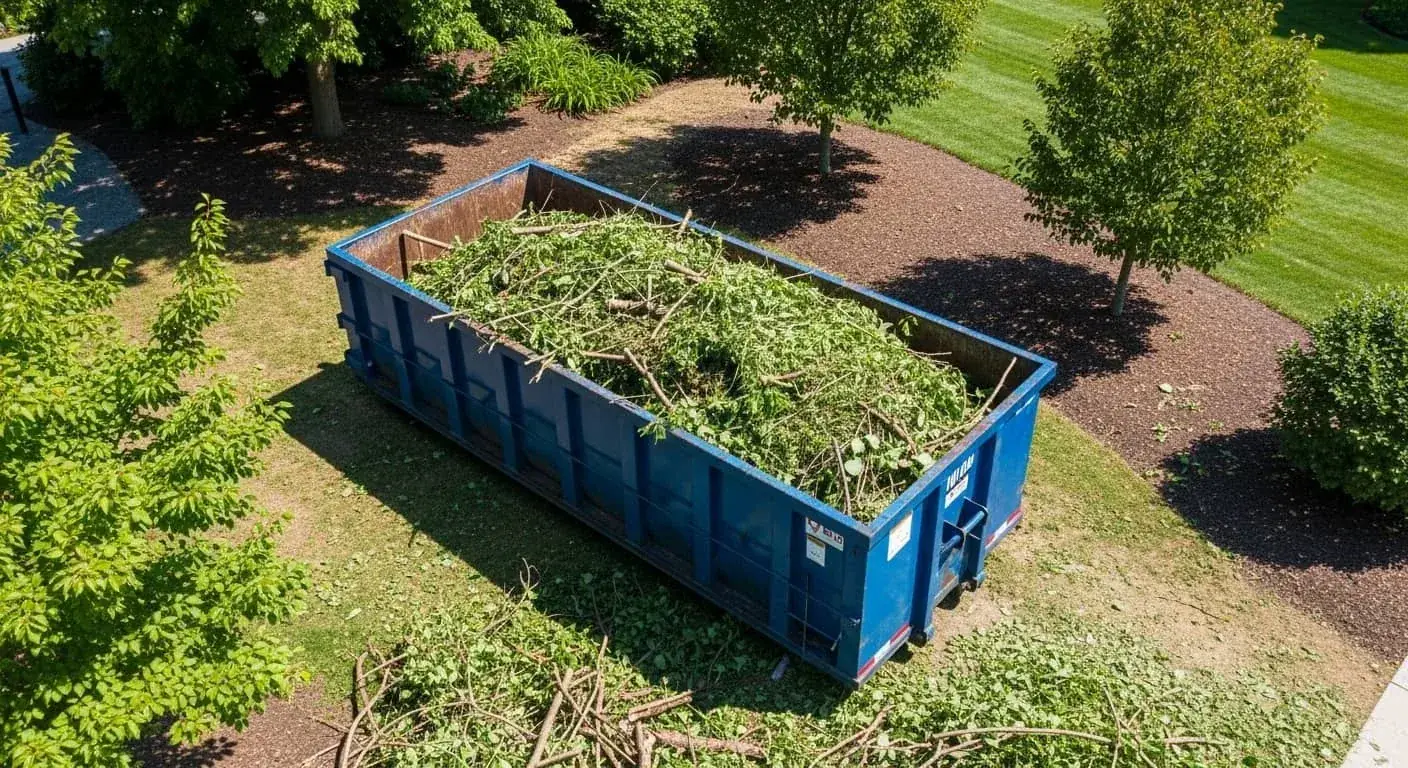
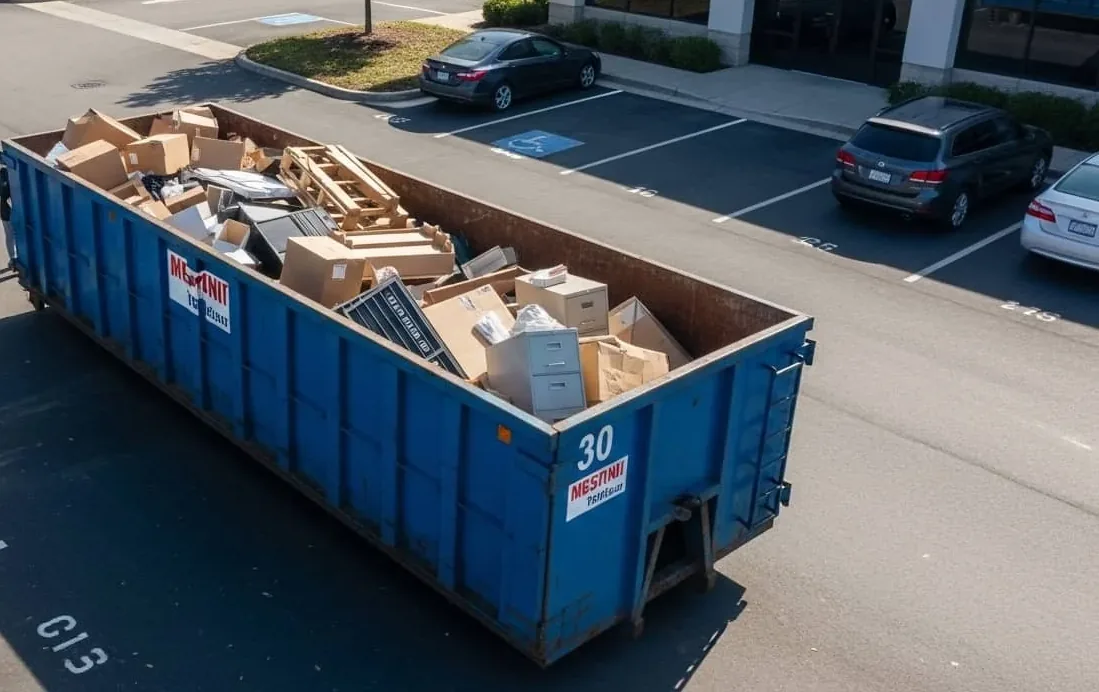
The first container on an old Cape renovation usually gets ordered wrong. People picture the pile: two rooms of walls, some cabinets, a bathroom. They think in volume. Then the truck comes back with a scale ticket several tons over the included tonnage, or the crew stops work at 9 a.m. because someone lifted a corner of kitchen tile and found black mastic underneath.
Cape Cod's housing stock makes both surprises likelier than average. Antique Capes and Greek Revivals along Route 6A, wartime and postwar cottages built for six weeks of summer, and 1970s additions bolted onto older cores all carry materials that weigh more than their modern equivalents, are restricted by Massachusetts disposal rules, or cannot legally go into a roll-off at all. Figuring out which is which before demo day is the cheapest hour on the whole job.
Read the house by its era before you order anything
Age tells you most of what you need to know about weight and hazard. A 1780 half-Cape in Brewster and a 1962 cottage in Dennis both look small from the driveway and generate completely different debris streams. The table below is the shorthand our drivers and the demo crews we work with actually use.
Asbestos is a hard stop, not a line item
This is the section to read twice. In Massachusetts, before you start demolition or renovation on a structure containing suspect asbestos-containing material, you must have a licensed asbestos inspector conduct an inspection — and that applies regardless of the building's age. There is no "it's too new to worry about" exemption. Suspect material gets sampled and analyzed by a licensed lab, or it gets treated as asbestos.
If asbestos is found and has to come out, the removal is performed by a contractor licensed by the Department of Labor Standards, and notification goes to both MassDEP and DLS at least ten working days before work begins. The MassDEP asbestos, construction and demolition notification guidance lays out which form applies to which job. Local building and health departments generally want to know too.
Asbestos waste cannot go into a construction and demolition container. Not bagged, not "just a little," not mixed in the middle of a load. Abatement waste is packaged, manifested and hauled to a facility permitted to accept it, by the abatement contractor. A driver who spots suspect material in a can has to refuse the load, and a transfer station that finds it after tipping will bill the clean-up back. The container we drop is for the rest of the demo, after the abatement is finished and the area has been cleared.
One narrow exception exists for homeowners doing their own work on non-friable material at a single-family home they occupy, but the practical advice does not change: test before you cut, scrape, sand or pull anything up. If material is in good condition and you can build around it, leaving it alone is often the right answer.
Lead paint on anything built before 1978
Every painted surface in a pre-1978 Cape should be presumed to have lead in it until testing says otherwise. Massachusetts lead-safe renovation rules kick in when renovation work is done for a fee and disturbs more than 6 square feet of painted surface in a room, or more than 20 square feet outside. Past those thresholds the work needs a licensed lead-safe renovation contractor with a certified supervisor on site while work is in progress. The state's lead-safe renovation guidance for homeowners spells out the thresholds and the difference between renovation and full deleading.
For the container side, the practical consequence is containment. Painted trim, doors, siding and plaster from a pre-1978 house go in as ordinary C&D, but the dust and chips generated getting them out are the regulated part. Sheeting, wet methods, and a clean path from the work area to the can matter — especially on a tight Cape lot where the neighbor's yard and the vegetable garden sit fifteen feet away.
Massachusetts disposal bans that bite mid-renovation
Separate from the hazard rules, MassDEP bans a list of materials from disposal statewide, and several of them show up in every cottage renovation. The MassDEP waste disposal ban list is the source of record. The ones that matter here:
- Clean gypsum wallboard. new-construction drywall scrap has to be kept separate and recycled. Painted, plastered or demo-mixed board is handled differently, which is why it pays to say up front whether you're gutting or rocking.
- Asphalt pavement, brick and concrete. chimney brick, old foundation rubble, granite steps and walkway slabs are all banned from ordinary disposal and go to a recycler. They also need their own heavy debris container, filled low.
- Ferrous and non-ferrous metals. cast iron radiators, boilers, copper piping, cast tubs, aluminum sliders. These are banned from disposal and worth money as scrap.
- Treated and untreated wood. banned from landfills, so framing and decking are routed to processing facilities.
- White goods. refrigerators, ranges, washers and dryers come out of the cottage separately, not tossed in the can with the cabinets.
- Mattresses and textiles. added in November 2022, and a real factor when a family cottage still has six beds in it.
Our guide to what can and cannot go in a dumpster covers the full list, including the items that surprise people most.
What a room-by-room gut actually generates
Volume fills the box; weight sets the disposal cost. Plaster, tile and masonry hit the tonnage limit long before they hit the top rail. These are working approximations from Cape jobs, not guarantees — call with your square footage and we'll size it properly.
If you're still deciding between boxes, the Cape Cod dumpster size guide walks through the same math from the other direction.
Pull the salvage before the sledgehammer
Old Capes pay you back if you slow down for a day. Wide-board heart pine and old-growth oak flooring is worth real money to reclaimers and to your own project. Six-panel doors, rim locks, box locks and thumb latches, mantels, newel posts, glass knobs and shutter hardware all sell. Clawfoot tubs and soapstone sinks move quickly. Cast iron radiators run 300 to 600 pounds each and are both banned from disposal and worth scrap value, so get them out before anyone starts filling the can, because a radiator dropped into a mixed load costs you twice.
Sound brick from a dismantled chimney gets reused for patios and garden walls across the Cape. Set it on pallets rather than paying to haul it. Anything genuinely worthless after the sort goes into the demolition debris container, which is what should be on site by then.
Sequencing so the container isn't sitting idle
The goal is a short, full rental rather than a long, half-empty one. That means abatement and testing first, salvage second, then demolition in a single hard push with the can already in the driveway. Order the container for the day the walls come down, not the day the project starts.
Whole-cottage jobs usually phase across two or three containers instead of one giant one. A typical run: a construction container for the gut, a heavy-debris box for chimney brick and old foundation stone, and a final can for new-construction offcuts, packaging and punch-list junk. Phasing keeps the heavy material in the right container and keeps you from paying overweight on a load that's half cardboard.
Placement matters more here than anywhere else in the country. Cape driveways are crushed shell, pea stone or sand over sandy subsoil, and most older properties have Title 5 septic systems. A loaded roll-off must never sit over a leach field, D-box or tank. That is a repair bill in the tens of thousands. Plywood cribbing under the rails protects a shell driveway and spreads the load.
Why October through April is the right window
Off-season is when Cape renovations actually move. Contractors have crews free once the summer punch lists clear, hauling schedules loosen up, and towns are easier to deal with on permits and street placement. Trying to run a gut through July in Dennis or Brewster means competing with turnover cleanouts, traffic on Route 28 and neighbors who are on vacation twenty feet away.
The winterization jobs that fill our fall calendar have their own debris profile: old batts out of the crawlspace, rotted sill and band joist sections, single-pane sashes, and often a mildew problem nobody mentions until the container arrives. A cottage closed up from Columbus Day to Memorial Day with no heat and salt air moving through it grows mold on upholstery, mattresses, books and cardboard. Damp contents are heavier than they look and are not worth saving. If the cottage is also full of two or three generations of accumulation, our estate cleanout guide covers how to work through it without a second container.
Get the debris plan set before demo day
Nate Souza has been putting containers on Cape driveways since 2011, and fifteen years of old-house demo has produced a fairly good instinct for what a 1948 cottage weighs. Tell us the era, the square footage and what you're taking out, and we'll tell you the box, the tonnage and the phasing before you commit. Call (774) 208-0570 for a flat quote, or reach us through the contact page. Same-day and next-day delivery available across Barnstable County.