
Cape Cod service
Storm Debris Removal on Cape Cod
Nor'easter and hurricane cleanup across Barnstable County. Limbs, fencing, shingles and water-damaged contents cleared, with straight answers about when we can actually get there.
- Licensed & insured
- Same-day on the Upper Cape
- Flat-rate pricing
- All 15 Cape towns
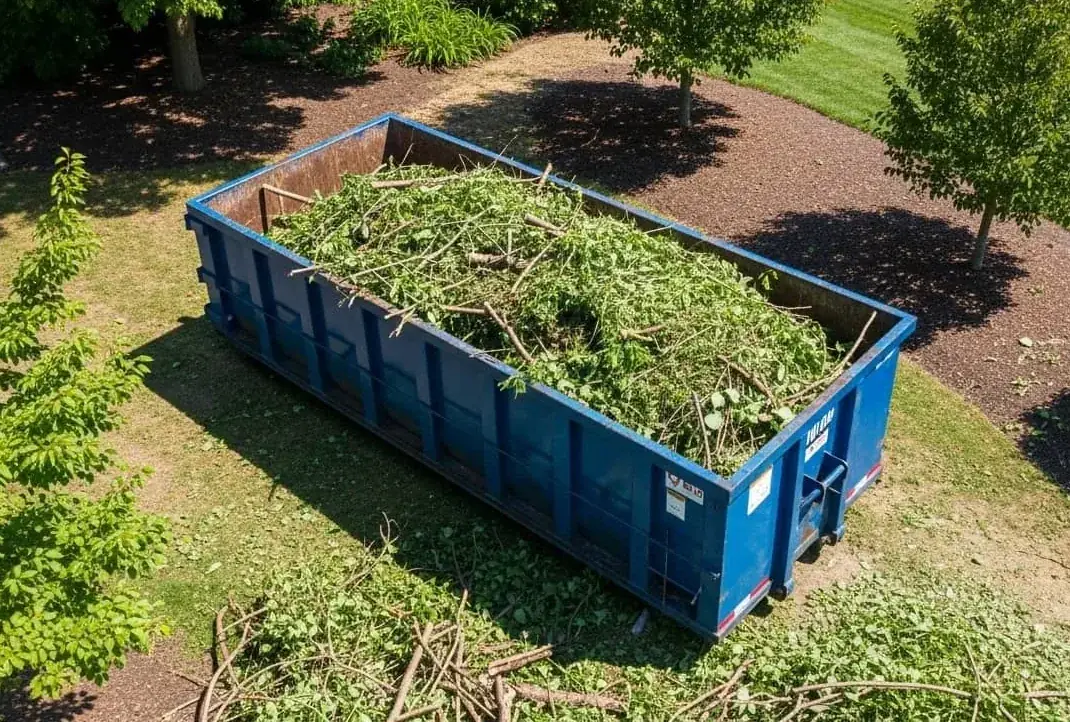
Storm Debris Removal across all fifteen Cape Cod towns
Storms hit the Cape harder than most of Massachusetts and they hit it from every direction. A December nor'easter drives water over the Bay side and takes shingles off the Sound side. The remnants of a tropical system in September snaps pitch pine that has been leaning for years. A January wind event with no rain at all still fills driveways with oak limbs and lays a hundred feet of stockade fence flat. Then there is the flooding, which on this peninsula is often saltwater rather than rain.
What follows is the same every time. A yard full of material that will not fit in a car, a basement that needs emptying before mold takes hold, and a phone that nobody is answering because every hauler, tree crew and roofer on Cape Cod is fielding the same calls in the same hour. We have worked storm cleanups here since 2011, and the most useful thing we can offer besides a container is honesty about the timeline and a few things worth doing before you throw anything away.
At a glance
What you get with storm debris removal
- Photograph and video all damage before moving anything, including the debris where it landed
- Get a claim number and ask your insurer in writing whether you may dispose before an adjuster visits
- Standard homeowners policies do not cover flood damage; wind and flood are separate coverages
- Save receipts for tarps, pumps, fans, dehumidifiers and the container itself, as cleanup costs are often reimbursable
- Treat every downed wire as live and report it to the utility, not to a hauler
- Sort clean brush from painted fencing and metal while you drag, not after the box is full
- Saltwater-soaked porous contents are generally not salvageable; rinse and dry metal and solid wood fast
- After a major storm expect several days rather than same day, and call early to get in the queue
The First Hours After the Wind Stops
Safety comes before cleanup, and after a real storm that is not a formality.
Treat every downed wire as live, including cable and phone lines lying across a limb, and keep clear of anything the wire is touching. Report lines to the utility and to your town, not to a hauler. If water reached outlets, the panel or a furnace, leave the power off until an electrician has looked. Generators belong outside and well away from windows, always; carbon monoxide kills more people after storms here than the storms do.
Once the property is safe, deal with the things that get worse by the hour. Cover a broken roof or window with a tarp, and photograph both the damage and the tarp. Get standing water out of a basement as soon as power allows. Water sitting on wet organic material starts growing mold within a day or two in warm weather, and the difference between pumping Saturday and pumping Wednesday is often the difference between drying a basement and gutting it.
Cutting can wait a day. Debris on the ground is stable, and a tired homeowner with a chainsaw and a limb under tension is the second most common storm injury on the Cape. If a tree is on the house or on a wire, that is a professional job. Everything else keeps until you have documented it, which is the next step and the one people skip.
Document Everything Before You Move It
This is where a storm cleanup goes right or wrong financially, and it happens in the first day.
Photograph and video everything before a single item goes to the curb. Wide shots of each room and each elevation of the house, then close-ups of the actual damage. Get the water line on the wall, and mark it with painter's tape before you cut anything so the height is visible in the picture. Photograph model and serial plates on any damaged appliance or mechanical unit. Photograph the debris in the yard where it landed, not after it is stacked.
Then call your insurer and get a claim number before disposal starts. Ask directly whether the adjuster needs to see anything in person and whether you have written authorization to dispose. Many carriers will accept photographs, but the ones that do not will not pay for what they never saw.
Keep a written inventory as you go: item, rough age, rough replacement cost. Keep a physical sample of destroyed materials where you can, a square of carpet, a piece of flooring, a damaged shingle. Save every receipt, including tarps, pumps, fans, dehumidifiers and the container rental itself, because reasonable cleanup costs are frequently reimbursable.
One more thing that catches Cape homeowners every year: standard homeowners policies do not cover flood damage. Wind damage and flood damage are handled under separate policies, and the distinction matters enormously if water came in from outside rather than through the roof.
Downed Pitch Pine, Oak Limbs and Fence Sections
Pitch pine is the tree that gives us the most work. It grows shallow-rooted in sand, holds a heavy crown, and fails by snapping rather than bending. Oak comes down less often but takes more with it when it does. After a hard blow, the typical Cape yard has a mix: broken limbs of both, a few whole small trees, snapped fence sections, lattice, arbor pieces and whatever the wind took off the shed.
Sort as you drag, because it costs nothing at that stage and a lot later. Clean wood and brush on one pile, painted or pressure-treated fencing and lumber on another, metal on a third. A container of nothing but limbs and brush is handled as yard waste, which is banned from landfill disposal in Massachusetts and goes to composting or grinding instead. Once painted stockade sections and vinyl fence go in with it, the whole load becomes mixed debris.
Cut limbs to four or five feet before loading. Storm brush is springy and bulky, and long pieces bridge across the container and leave the bottom half empty. Lay the heaviest wood flat on the floor first and walk the load down as you build it up. A tangled 20 yard box that looks full is often holding half of what it could.
If the yard is nothing but clean brush and limbs, a dedicated yard waste container is usually the cheaper route. Mixed storm debris rides better in a general container.
Shingles, Trim and Salt-Driven Water
Cape roofs and siding fail in a particular pattern. Salt air weakens fasteners and softens cedar over years, so a storm rarely destroys a sound roof outright. It finds the sections already at the end of their life and takes those. What you get is a patch of missing shingles rather than a bare deck, along with lifted ridge cap, torn flashing, and trim boards pulled loose at the corners.
Wind-driven rain is the real damage mechanism. Water goes uphill under shingles at forty miles an hour and travels sideways behind clapboard and shingle siding, so the wet spot on your ceiling is often nowhere near the hole. Expect the interior damage to be larger than the exterior evidence suggests, and photograph ceilings and interior walls even where the water stain looks minor.
For disposal, roofing is heavy. Asphalt shingles run roughly 250 pounds per square of three-tab and more for architectural, and a partial tear-off puts weight into a container quickly. Cedar is lighter but bulkier. If the storm turned into a full roof replacement, that is a different job with a different container plan and our roofing dumpster service is set up for it.
Wet insulation and soaked drywall from a roof leak also weigh far more than dry material. A ceiling that came down after two days of water is not a light load. Mention it when you call so the box is sized for the weight rather than the volume.
Flooded Basements and Saltwater-Damaged Contents
Saltwater is worse than fresh, and on the Cape a coastal flood or a surge event brings salt into cellars and crawlspaces that have never taken water before.
Salt does not dry out and go away. It stays in the material, holds moisture, keeps corroding metal, and keeps surfaces conductive. Anything porous that took a saltwater soak is generally finished: mattresses and box springs, upholstered furniture, particleboard and laminate furniture, carpet and pad, cardboard boxes, books, insulation, and the bottom two feet of drywall. Appliances and electronics that were submerged should not be re-energized at all, whatever they look like on the outside.
Solid wood furniture, metal, glass, ceramics and tools can often be saved with a fresh-water rinse and thorough drying. Do the rinse quickly. Salt left on a tool for a week does more damage than the flood did.
Order of work: pump out, photograph everything in place, then remove contents, then cut out wet drywall and insulation to a foot above the water line, then dry hard with fans and dehumidifiers before anything gets closed back up. Do not rebuild over material that is still wet.
The volume surprises people. An average full basement produces more than a 20 yard container, because water-logged material is bulky and heavy at the same time. If you cannot load it yourself, and after a flood plenty of people cannot, full-service junk removal means we do the carrying.
Scheduling Reality: Everyone Calls the Same Morning
Here is the part most companies will not put on a website.
When a significant storm hits Cape Cod, every hauler, tree service and roofer on the peninsula gets a week of calls in about four hours. Our trucks do not multiply because the phone is busy. On top of that, road clearing takes priority for utility and town crews, and until main roads and side streets open a roll-off truck cannot reach half the addresses that need one. Disposal facilities sometimes close or run long lines in the same window, which slows every round trip.
What that means practically: after a major event, expect several days rather than same day. Emergency situations, a tree through a roof, an occupied home that has to be made livable, a business that cannot open, get moved up. Yard debris sitting safely on the ground does not, and we will tell you that rather than promise a morning we cannot hit.
Two things genuinely help. Call early, even before you have finished sorting, so you are in the queue rather than at the back of it. And be flexible about size. If a 20 yard is not available and a 30 yard is sitting on the truck, take the 30.
Outside of a widespread event, a single tree down in an ordinary week, same-day or next-day delivery is usually available. Call (774) 208-0570 and we will give you a real answer about this week.
Suitability
Is storm debris removal the right call?
The fastest way to get this right is to check the load against both lists before you book.
Good fits for this container
- Nor'easter cleanup: downed limbs, fencing, lattice and shed debris
- Tropical storm and hurricane remnant damage across Barnstable County
- Winter wind events that bring down pitch pine and oak without any rain
- Partial roof damage, blown-off shingles, torn flashing and loose trim
- Flooded basement contents, wet carpet, soaked drywall and insulation
- Saltwater-damaged furniture, mattresses and stored belongings
- Seasonal homes damaged while the owner was off-Cape
Send these somewhere else
- Any item an adjuster still needs to inspect in person
- Trees or limbs resting on structures or power lines, which need a tree crew first
- Heating oil, gasoline, propane tanks and chemicals displaced by flood water
- Submerged appliances that have not been disconnected safely
- Asbestos-containing materials disturbed by storm damage
- Emergency response work; call your town and the utility for hazards, not a container company
Sizing
Which container for storm debris removal?
Every size below runs on this service. Match the material to the weight allowance and the volume takes care of itself.
- 10 yard — One or two downed limbs, a section of fence, or a small basement cleared of a few wet items.
- 15 yard — A modest yard cleanup plus some interior water damage: carpet, pad and a few pieces of soaked furniture.
- 20 yard — The common storm size. A yard full of limbs and fencing, or a flooded basement emptied of contents.
- 30 yard — Whole trees down plus interior damage, or a basement gutted to the studs after a saltwater flood.
- 40 yard — Widespread damage across a large property, multiple trees, outbuilding loss and a full contents cleanout.
| Size | Dimensions | Capacity | Weight included | Best for |
|---|---|---|---|---|
| 10 Yard Dumpster | typically about 12 ft long × 8 ft wide × 3.5 ft high | about 3-4 pickup truck loads | 1-2 tons | Heavy, dense debris and tight driveways: concrete, brick, tile, one-room gut. |
| 15 Yard Dumpster | typically about 16 ft long × 8 ft wide × 4 ft high | about 4-6 pickup truck loads | 2 tons | Two-room remodels, garage and shed cleanouts, small roof tear-offs. |
| 20 Yard Dumpster | typically about 22 ft long × 8 ft wide × 4.5 ft high | about 6-8 pickup truck loads | 2-3 tons | Full roof replacement, whole-floor renovation, three or four bedroom cleanout. |
| 30 Yard Dumpster | typically about 22 ft long × 8 ft wide × 6 ft high | about 9-12 pickup truck loads | 3-4 tons | Cottage gut renovation, whole-house estate cleanout, storm debris, demolition. |
| 40 Yard Dumpster | typically about 22 ft long × 8 ft wide × 8 ft high | about 12-16 pickup truck loads | 4-5 tons | Structural demolition, commercial and multi-unit work, high-volume bulky debris. |
Storm Debris Removal — the Cape Cod specifics
Cape geography shapes storm damage in ways that are easy to predict once you have seen a few. The Bay side and the Outer Cape take the brunt of a nor'easter's water, while the Sound side gets the harder wind from a tropical system tracking west of us. Low-lying areas around the harbors and marshes flood on the surge rather than the rain, which is why the water in a cellar is often salt.
Access is its own problem. With only the Bourne and Sagamore bridges connecting the Cape, every crew, utility truck and supply run funnels through the same two crossings after an event. Narrow lanes in the Outer Cape villages and around Orleans stay blocked longer than main roads. That is a real constraint on how fast anyone can reach you.
MEMA's guidance on recovering from a disaster covers documentation and safety, and the state's flood assistance and insurance information explains why flood coverage is separate. Our Cape storm cleanup guide has the local detail.
Talk to a real person
Need storm debris removal on Cape Cod?
Call (774) 208-0570, describe the job in a sentence, and you will get a flat price and a delivery window on the same call.
Mon–Sat 7:00am – 6:00pm · Sun by appointment
Answers
Storm Debris Removal — your questions answered
Should I wait for the insurance adjuster before I throw anything out?
Ask your carrier directly and get the answer in writing. Many will accept thorough photographs and video, which lets you start immediately. Others want an in-person inspection, and disposing early can cost you the claim on those items. Either way, photograph everything in place first, keep a written inventory with rough ages and values, and hold on to samples of destroyed materials. A container sitting on the driveway is fine to load and leave unhauled until you have clearance.
How quickly can you get a dumpster here after a big storm?
Honestly, it depends on the storm. After a widespread event, expect several days rather than same day, because every hauler on the Cape gets a week of calls in an afternoon and roads have to open before a truck can reach you. Emergency situations move to the front. In an ordinary week, when a single tree comes down, same-day or next-day delivery is usually available. Call early and we will tell you where you actually stand.
Can storm brush and household damage go in the same container?
They can, and after a storm that is often the practical choice. Understand the trade-off: a container of clean limbs and brush alone is handled as yard waste, which Massachusetts bans from landfill disposal, so it goes to composting or grinding at a lower cost per ton. Add painted fencing, wet drywall or furniture and the whole load becomes mixed debris. If the volume of brush is large, two containers can work out cheaper.
Is saltwater-damaged furniture worth trying to save?
Porous items usually are not. Salt stays in the material, holds moisture and keeps corroding, so mattresses, upholstered furniture, particleboard pieces, carpet, insulation and books that took a saltwater soak are generally finished. Solid wood, metal, glass, ceramics and tools often survive if you rinse them with fresh water and dry them quickly. Anything electrical that was submerged should not be powered up again, regardless of how it looks.
What do I do about a tree resting on my house or a wire?
That is a tree crew and a utility call, not a container call, and it should happen before anything else. Downed wires are live until the utility says otherwise, including cable and phone lines. Once the tree is safely down and the structure is stable, we bring a container for the debris and the damaged building material. Call us at (774) 208-0570 while you are waiting on the tree crew so the box is scheduled to arrive behind them.
Service area
Storm Debris Removal across Cape Cod
We run roll-off containers out of our 19 Tradesman Cir yard in East Falmouth to all fifteen Cape Cod towns and the villages inside them — from Woods Hole and the Bourne bridges through the Mid Cape and Route 6A, out past the Orleans rotary and up the Outer Cape to Provincetown. Outer Cape runs are scheduled rather than same-day, and in July and August everything books up early. If your village is not listed, call anyway. We almost certainly get there.
Related services
Popular service areas
From the guides
- What a Dumpster Rental Actually Costs on Cape Cod (And What Drives the Number)
- What Can and Can't Go in a Dumpster in Massachusetts: The Cape Cod Rules Explained
- Do You Need a Permit for a Dumpster on Cape Cod? A Town-by-Town Guide
- Sizing a Dumpster for a Roof Tear-Off on Cape Cod: Asphalt, Cedar Shingle and Shake
- All articles