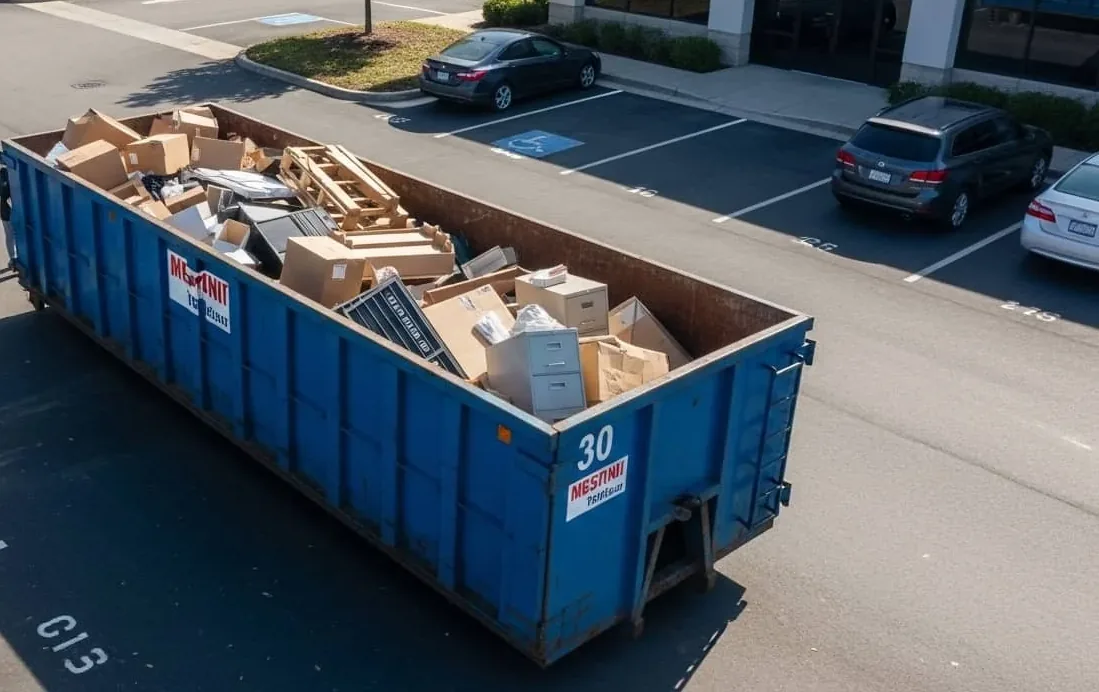
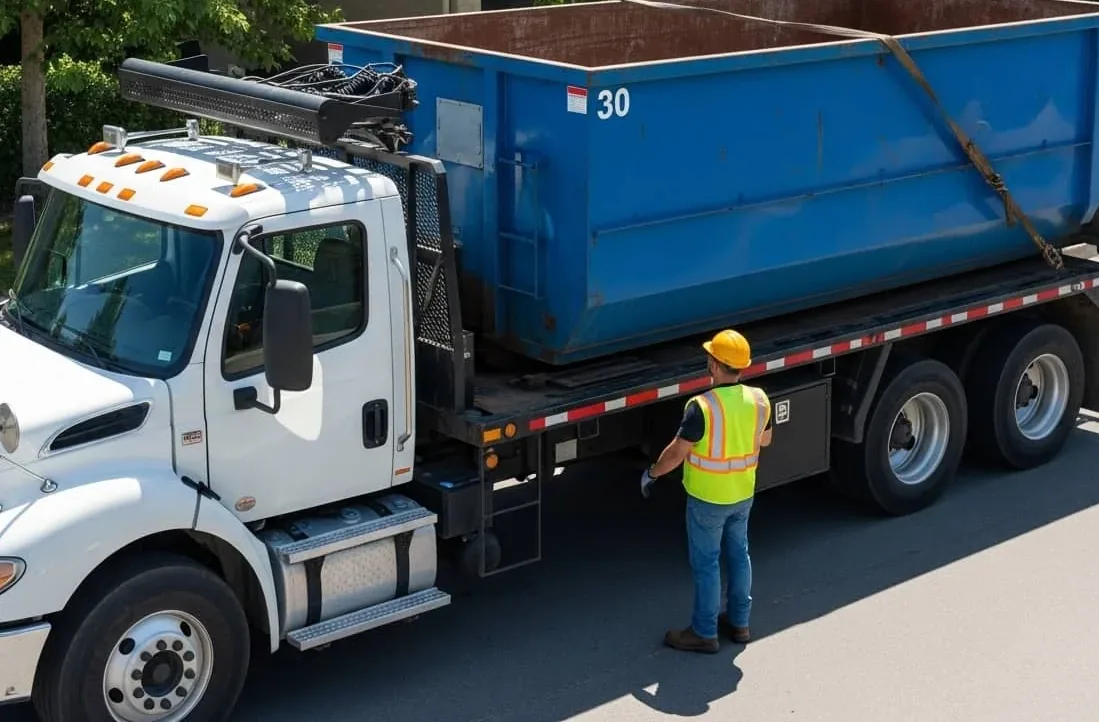
Two neighbors on the same street in Dennis rent the same 20-yard container in the same week. One gets a final invoice that matches the quote exactly. The other gets a second line item for overweight tonnage that adds roughly a third to the bill. Same box, same town, same hauler, same seven days. The only difference was what went inside and how much it weighed when the truck came back for it.
That gap explains most of the confusion about roll-off pricing. A dumpster is not a product with a sticker price. It is a service with a freight component and a weight component, and the quoted number is assembled from about five inputs that behave very differently from one another. Learn those inputs and you can read any Cape Cod quote in ninety seconds, including the ones engineered to look cheap.
Strip the marketing off any price in Barnstable County and the same skeleton is underneath. Haulers weight these pieces differently, and some bury a couple of them in the fine print, but they are always there.
Two of those five are weight-driven. That single structural fact sits behind almost every surprise invoice in this trade. Volume gets you the right size box. Weight decides what the box costs.
Why Cape Cod pricing is not off-Cape pricing
Compare quotes with a friend in Plymouth and the Cape number will usually sit higher. That is geography and logistics, not opportunism.
Start with the obvious constraint. The Bourne Bridge and the Sagamore Bridge are the only road links across the Cape Cod Canal, and every loaded truck needing an off-Cape facility has to queue for one of them. A summer Friday backup does not just annoy the driver. It burns a chunk of a route that was priced as three or four pulls in a day, and route productivity is what a rate card is built on.
Then there is where the material goes. Cape towns run their own transfer stations and recycling centers rather than sharing one regional facility, and access generally requires a resident sticker that does not cover a commercial roll-off. Mixed construction debris heads to a permitted commercial processing facility instead, which can mean a long haul. Barnstable County's Cooperative Extension publishes a regional overview of waste reduction and recycling across the fifteen towns that shows how fragmented the municipal side really is.
Distance stacks on top. A container going to a job in Falmouth is a short run from an East Falmouth yard. The same container headed out to Truro is a different animal: more road time each way, a longer return leg, and a route that can only absorb so many Outer Cape pulls before the day is gone. Honest haulers price that in. Haulers who do not either refuse the trip or add it later.
Flat-rate versus variable-rate quoting
There are two ways to sell you a dumpster, and the difference matters more than the headline figure.
Flat-rate bundles the container, delivery, a defined rental period, pickup and disposal up to a stated tonnage into one price. You know your floor, and you know exactly what would push you past it. Overages still exist, but they are the only variable.
Variable-rate quotes a low delivery or haul charge, then bills disposal on the actual scale ticket, by the ton, after the fact. The advertised number is genuinely lower. It is also not the price.
Neither model is dishonest by itself. A demolition contractor moving predictable material sometimes prefers per-ton billing. A homeowner clearing a cottage almost never does, because the thing homeowners estimate worst is exactly the thing being billed. The mistake is comparing the two quote types as if the numbers mean the same thing. They do not, and the variable one wins every online comparison while losing on the invoice.
Weight is where budgets actually break
Included tonnage is the hinge. A container filled with old furniture, cardboard and closet contents may never approach its allowance. The same container filled with the wrong material blows through it before it looks half full.
On the Cape the culprits are specific. Plaster and lath from an antique Cape runs roughly two to three times the weight of the same volume of modern drywall. Asphalt shingles are heavier than nearly everyone guesses, especially on a multi-layer tear-off, which is why roofing debris gets its own container class. Concrete, brick, pavers and old chimney rubble are heavier still, so heavy inert material is handled as its own service in a small, low-sided box. Wet carpet, waterlogged deck boards and soil are quiet weight too.
Prohibited materials are a separate cost trigger. Massachusetts bans a specific set of items from disposal or transfer for disposal, and the current MassDEP waste disposal ban list covers asphalt pavement, brick and concrete, clean gypsum wallboard, metals, leaves and yard waste, recyclable cardboard, white goods, and, since November 2022, mattresses and textiles. Wood waste and whole tires are landfill-only bans. None of that makes the material untouchable; it means it has to be separated and routed, and routing costs money. A load contaminated with banned material can get reclassified at the scale, and a reclassified load is an expensive load. Our guide to what can and cannot go in a Cape Cod dumpster covers the sorting side.
What turns a cheap quote into an expensive one
Almost every unpleasant invoice traces back to one of these. None are exotic.
- Going over the tonnage allowance. Billed per ton, and by far the most common overage.
- Loading above the rails. An overfilled container cannot be tarped, and an untarpable load cannot legally leave your driveway.
- Extra days. Standard periods across the industry tend to run about a week to ten days. Past that, extensions bill daily or weekly.
- A dry run. The truck arrives and cannot set or pull the box because a car is parked in front of it or a crew is still loading. That trip already cost a slot in the day's route.
- Relocation. Moving a container after it has been set, especially a partly loaded one, is a second truck visit.
- Special-handling items. Mattresses, appliances with refrigerant, tires, paint, propane tanks and electronics are typically per-item or refused outright.
- Site damage. Not a line item, but a real cost. Sandy soil, crushed shell driveways and Title 5 leach fields all argue for planned placement and plywood cribbing. A loaded roll-off must never sit over a leach field or distribution box.
A worked example: mid-size cottage remodel
Take a realistic Mid-Cape job. A 1960s cottage, kitchen gutted to the studs, two baths stripped, ceilings opened, plus trim and subfloor. The homeowner books a 20-yard container for a week.
Every add-on there was avoidable with one phone call before delivery. Mention the plaster. Mention the mattresses. Mention that the tile guy might slip. If the demo scope is genuinely uncertain, a 30-yard box that comes out light usually costs less than a 20 that goes over on weight and then needs a swap. Sizing logic is laid out in our Cape Cod dumpster size guide.
Season, timing and the Cape calendar
Timing is a real pricing lever here. Between Memorial Day and Labor Day the population multiplies, the bridges tighten, contractor schedules compress, and container availability gets thin. Book a turnover cleanout two days out in July and you are competing with every property manager on the Mid-Cape doing the same thing on the same Saturday.
Shoulder season and the November-to-April window are the practical time for big projects. Scheduling is looser and a hauler can commit to a delivery slot without hedging. If the work truly cannot wait, same-day and next-day delivery exists, but the way to protect a budget is lead time, not urgency.
State policy pushes the same direction. MassDEP's Solid Waste Master Plan sets aggressive targets for cutting how much material goes to disposal at all, which keeps steady pressure on how mixed waste gets handled. Clean, sorted loads tend to fare better than contaminated ones.
Questions worth asking any hauler
Six questions separate a real quote from a teaser. Ask them in this order.
- Is this flat-rate or per-ton? If the answer wanders, it is per-ton.
- How much tonnage is included, and what is the rate above it? Both numbers, stated plainly.
- How many days does the price cover, and what is the daily extension?
- Are delivery, pickup, fuel and disposal all inside that figure? Surcharges added at invoice time are a classic gap.
- What is on your prohibited list, and what do special-handling items cost? Say out loud what you are throwing away.
- What triggers a return trip charge? Dry runs, overfilled loads and relocations should be described before delivery, not after.
A hauler who answers all six without hesitating is quoting a number they intend to honor. One who deflects on tonnage is quoting a starting point.
Get a real number for your project
Pricing on Cape Cod is not mysterious, just specific: size, material, weight, town, driveway and the calendar. Give us those six and you get a flat quote with the rental period, delivery, pickup and disposal included up to the stated tonnage, so the figure you hear is the figure you pay. Nate and the crew have been sizing these jobs across Barnstable County since 2011, from a 10-yard for a bathroom strip-out to a full construction pull. Call CC Dumpster Rental Cape Cod at (774) 208-0570 for a straight answer in a couple of minutes, or check the contact page for hours and service details.